Rick Piereck | Nov 12 2026 14:00
Accused of violating a peace order or protective order in Maryland: criminal defense considerations
Being accused of violating a Maryland peace order or protective order can create immediate legal risk, even when the contact was unintended or the circumstances are disputed. The safest response is to stop all direct and indirect contact, preserve relevant evidence, and seek legal guidance promptly. At Piereck Law LLC, I help individuals in Calvert County and across Southern Maryland understand the accusation and prepare a focused criminal defense response.
Why These Allegations Require Immediate Attention
A peace order or protective order can impose specific restrictions, including prohibitions on contacting a protected person, going to certain locations, or communicating through another person. An alleged violation may lead to criminal charges, court appearances, possible arrest, and conditions that affect where someone can go or whom they can contact.
The exact language of the order matters. A restriction that seems straightforward may include details about distance, particular addresses, methods of communication, or indirect contact. We review the order, the current allegation, and the available evidence rather than relying on assumptions about what the order required.
Common Ways Alleged Violations Arise
Not every allegation involves an in-person confrontation. In many cases, accusations arise from digital communications, misunderstandings, or conduct that one person did not recognize as prohibited. A criminal defense attorney in Calvert County should examine the specific facts carefully.
- Calls and texts: A call, voicemail, text message, or reply to a message may be alleged as prohibited contact, including contact made in anger, frustration, or an attempt to explain a situation.
- Social media activity: Direct messages, comments, tags, posts directed at someone, or activity through alternate accounts can create allegations. Even a post not naming the protected person may become part of an accusation depending on its wording and context.
- Third-party contact: Asking a friend, relative, coworker, or other person to relay a message can be viewed as indirect contact. It is important not to assume that using another person avoids the order’s restrictions.
- Location restrictions: An accusation may arise from being near a home, workplace, school, or another location identified in the order. In some situations, parties may encounter one another unexpectedly in public, but the response and the order’s terms still matter.
- Misunderstandings about the order: A person may believe an order has expired, been changed, or allows certain contact when it does not. Confusion is not a substitute for carefully reviewing the written terms.
Do Not Create New Evidence Against Yourself
Once an allegation has been made, further communication can make a difficult situation worse. Do not call, text, email, message, tag, post about, visit, or ask another person to contact the protected individual on your behalf. Do not respond simply because the other person reaches out first unless you have received clear legal advice about how to proceed.
It is also wise to avoid posting about the accusation online. A public post can be misunderstood, forwarded, preserved by screenshots, or presented out of context. Remaining calm and avoiding additional contact protects your options while the situation is assessed.
Preserve Evidence Before It Disappears
Evidence may be central to defending an alleged order violation. Preserve it promptly and without altering it. Save complete message threads, call logs, voicemails, emails, screenshots, social media content, photographs, location data, calendar entries, receipts, and relevant video footage. If another person witnessed an event or has information about where you were, make a note of that information for your attorney.
Context is often as important as an isolated screenshot. For example, a complete conversation may show dates, timestamps, message sequence, account ownership, or whether a message was sent, received, deleted, or misattributed. Do not delete communications or modify posts in an effort to make the issue disappear. Preservation allows a criminal defense attorney in Prince Frederick to evaluate the facts accurately.
What May Happen After an Accusation
The process can move quickly. Depending on the circumstances, law enforcement may investigate, seek a statement, make an arrest, issue a summons, or bring the matter before a court. You may receive paperwork that identifies a hearing date, a charge, or conditions you must follow.
If law enforcement contacts you, be respectful, but remember that statements can be used in an investigation or prosecution. You do not need to argue the facts on the spot or try to persuade an officer through an unplanned explanation. Promptly speaking with counsel can help you make informed decisions about communications, court dates, and evidence.
A Defense Requires Careful Review of the Facts
An accusation is not the same as proof. In my work as a domestic violence defense attorney serving Southern Maryland, I look closely at the order’s wording, the timing of alleged events, the reliability of digital evidence, witness accounts, location information, and whether the alleged conduct actually falls within the order’s restrictions.
Defenses and legal options depend on the particular circumstances. Questions may include whether the person had notice of the order, whether the communication can be reliably attributed to them, whether contact was direct or indirect, whether a location restriction applies, and whether the evidence tells the whole story. No attorney can responsibly promise a particular result, but early preparation can make a meaningful difference in how the case is addressed.
Why Prompt Counsel Matters
Waiting can make it harder to locate records, preserve digital information, identify witnesses, and respond to deadlines. As a peace order lawyer in Maryland and a protective order attorney serving Calvert County, I help clients understand the criminal allegation, evaluate the evidence, and prepare for the next stage of the case.
Piereck Law LLC provides direct, practical counsel from Prince Frederick to clients throughout Calvert County and nearby Southern Maryland communities. If you are seeking a restraining order lawyer in Maryland for defense against an alleged violation, I can review the situation and discuss the available next steps.
FAQ
Can I respond if the protected person contacts me first?
Do not assume that incoming contact permits a response. The written order may still prohibit you from communicating. Preserve the message, avoid responding, and obtain legal guidance before taking further action.
Can a social media post lead to a violation allegation?
It can. Direct messages, tags, comments, posts aimed at a protected person, and communications through alternate accounts may all be examined. Preserve the relevant content and avoid posting further about the matter.
What should I do if I encounter the protected person in public?
Do not approach, speak with, or follow the person. Create distance if possible and leave the area when it is safe to do so. Document the circumstances for your attorney, including the time, location, and any witnesses.
Should I delete messages that could be misunderstood?
No. Deleting or changing content can create additional concerns and remove context that may be important to the defense. Preserve complete records and discuss them privately with counsel.
When should I contact a criminal defense lawyer?
Contact an attorney as soon as you learn of an allegation, investigation, summons, arrest, or upcoming court date. Early advice can help you avoid further contact, preserve evidence, and understand the process ahead.
This article provides general information only and is not legal advice. Reading it does not create an attorney-client relationship. If you have been accused of violating a Maryland peace order or protective order, contact Piereck Law LLC at (443) 684-2165 to schedule a consultation.
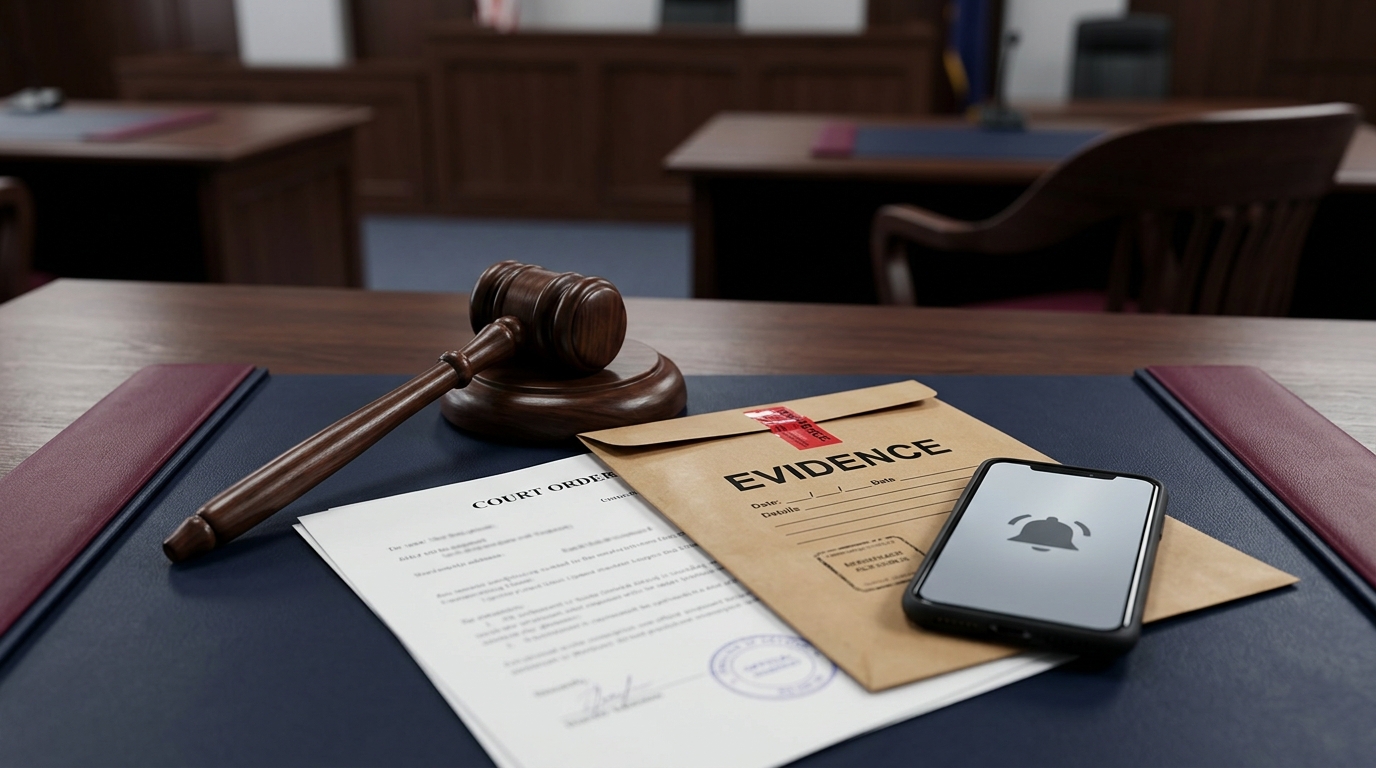
Accused of violating a peace order or protective order in Maryland: criminal defense considerations

Refusing a breath test after a Maryland DUI arrest: MVA and criminal-court consequences
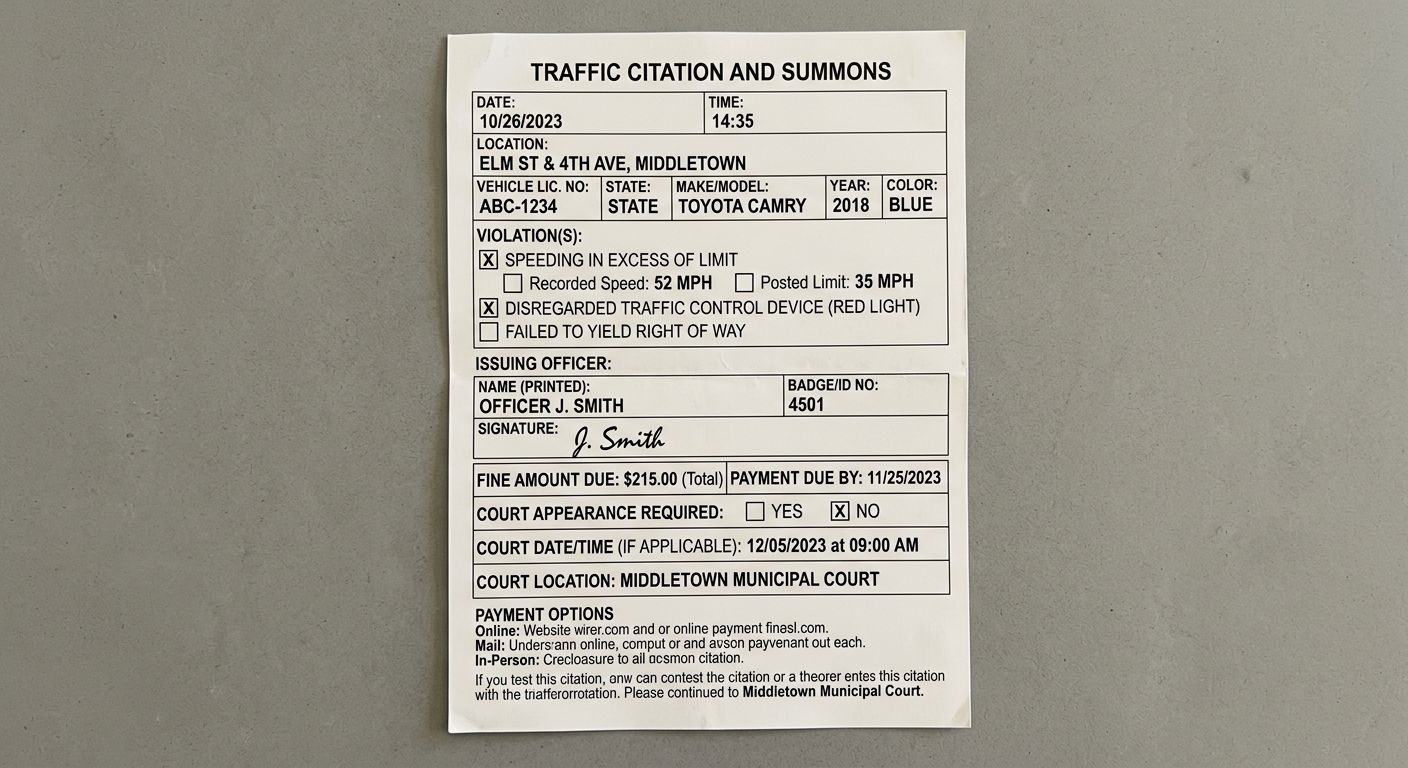
Understanding Maryland Traffic Tickets: What Drivers in Calvert County Should Know

Understanding Juvenile Rights In The Maryland Court Process

Understanding Probation After a Criminal Conviction

Courtroom Decorum Practices Everyone Should Know

Essential Information About Summer DUI and BUI Checkpoints

Drug Possession Charges in Calvert County: Key Defenses and What to Expect

Can I Avoid Jail Time for a First Criminal Offense in Maryland?

How to Expunge a Criminal Record in Maryland: Eligibility, Costs, and Waiting Periods
Read more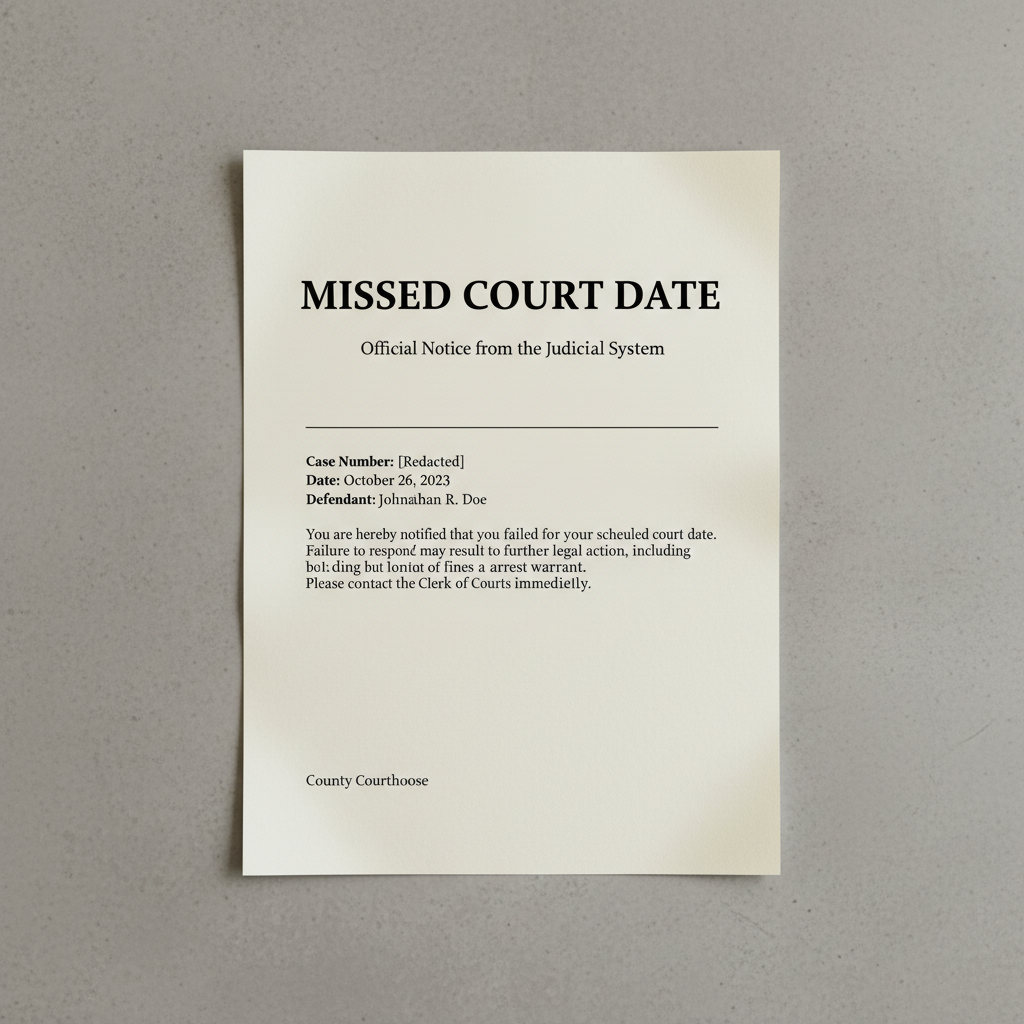
Missed Court in Maryland (Failure to Appear): What Happens Next
Read more
Does Hiring a Lawyer Make You Look Guilty? Here’s the Truth.

Who Can Claim Children as Dependents After a Divorce?

What to Do After a DUI Arrest in Calvert County (Step-by-Step)

What Happens When You’re Charged with Assault in Maryland

Do You Really Need a Lawyer to Fight a Speeding Ticket?

Getting a Protective Order in Charles County: Step-by-Step Guide

When to Hire a Criminal Defense Lawyer for Felony vs. Misdemeanor Cases

Understanding Ethical Wills: A Legacy of Love and Wisdom

St. Mary’s County DUI Laws Explained: Penalties, Defenses & How a DUI Attorney Can Help

Make-A-Will Month: A Step Toward Peace of Mind

Attorney-Client Privilege Explained: What Every Client Should Know

How to Fight a Traffic Ticket and Win

What to Do If You’re Arrested in Calvert County: A Legal Guide

Understanding Your Rights When Facing Criminal Charges

How to Choose the Best Criminal Defense Attorney in Prince Frederick